Ask a group of little learners to choose an animal, and the opinions arrive quickly. Lions! Penguins! That one with the really long neck! Ask why, and you may get a very confident “Because I like it.”
That is a place to start. A small picture choice and a little partner talk can help children turn a favorite into an opinion they can explain.
Give the choice a clear purpose
Try this prompt: Which zoo animal would you choose to draw, and why? Keep the question the same for everyone. You are asking for a preference, so children can have different answers.
The 17 Zoo Animal Coloring Pages offer animal pictures with names in large outline letters. For this lesson, choose just two or three pages, such as a zebra, giraffe, and penguin. Seventeen choices can be a whole event before anyone picks up a pencil.
Use the pictures to name the animals together. Children can point to their choice before they explain it.
Help “I like it” grow one detail
Model an answer that connects to something visible: “I would choose the zebra because I want to draw its stripes.” Point to the stripes as you speak.
Then invite children to look closely at their own choice. Ask, “What would you enjoy drawing?” A long neck, a beak, or a pattern gives them something specific to talk about. They do not need an animal report to explain a drawing preference.
- Choice: “I would draw a ___.”
- Reason: “I would draw a ___ because ___.”
- Partner question: “What part would you draw first?”
Leave room for answers you did not predict. “I want to practice drawing feet” is a perfectly useful reason.
Say it, then put it on paper
Have partners take turns sharing their animal and reason. The listener can point to the feature the speaker mentions. This gives the explanation a tiny audience before writing begins.
Children can then add their sentence on separate writing paper beside the animal picture. Offer a name word bank, let a child dictate while you record their words, or accept a drawing with labels. Keep the thinking goal the same: make a choice and give a connected reason.
Coloring can come after the oral rehearsal. Otherwise, a very important debate about the perfect shade of yellow may take over the writing time.
Check for a reason that fits
Read each response with the child. Can you tell which animal they chose? Does the reason explain that choice? If the answer stops at “because it is my favorite,” return to the picture and ask what they like about drawing it.
A few finished responses make a sweet display under “Different Animals, Different Reasons.” Let children notice that classmates can choose the same animal for different reasons.
For a separate nonfiction lesson, try helping children explain animal facts in their own words. Keep those researched facts distinct from the personal preferences in this activity.
A resource for this activity
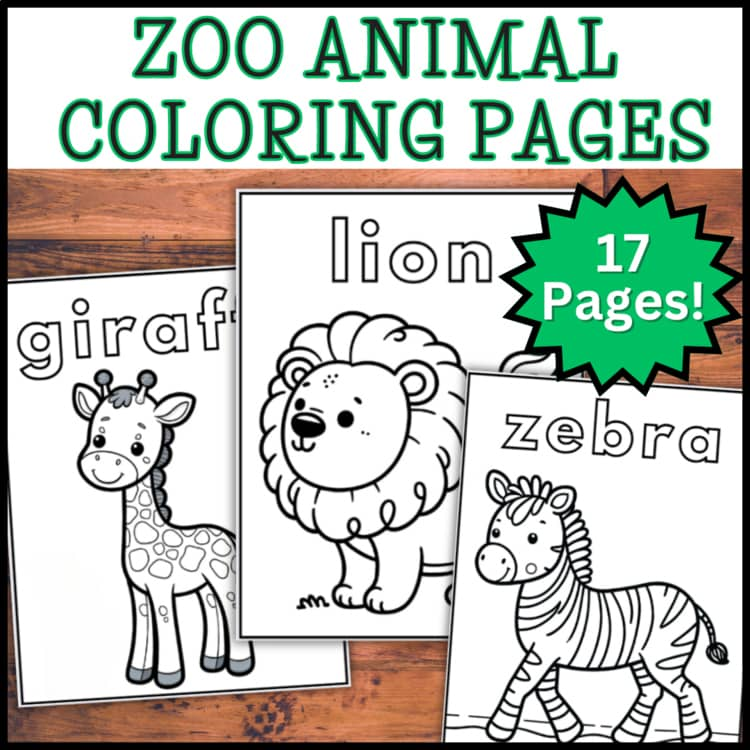
Choose a few animal pictures for oral rehearsal, then pair each child’s choice with a short written reason. The PDF includes 17 animal pages with outlined names.